
Heritage Water Fountain fundraiser needs a last push
The raising of a heritage water fountain in Kilcreggan village centre has reached 60% of its total fund goal. It needs to raise another 1000 pounds to move into its realisation phase.
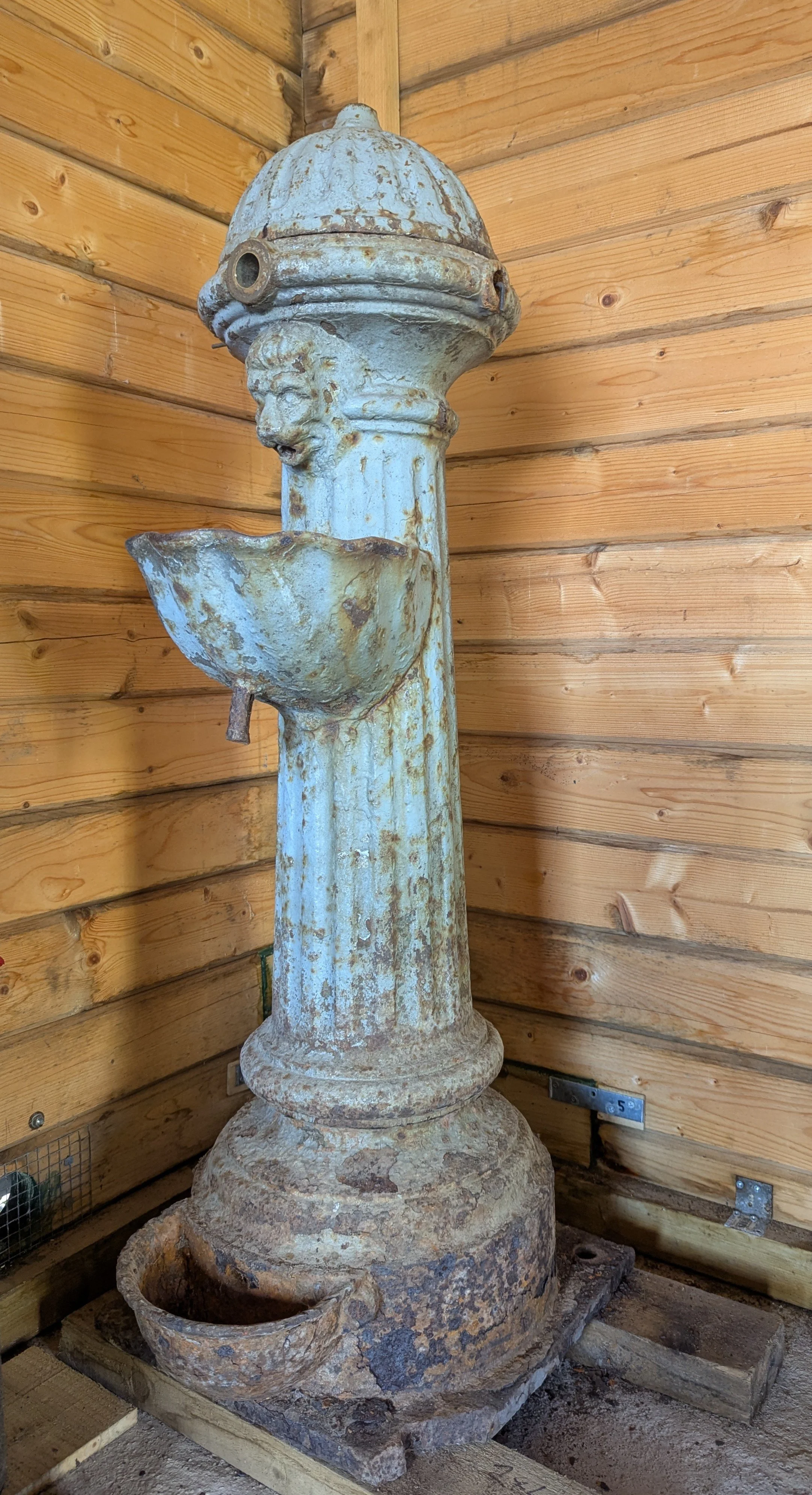
Source: Richard Reeve, Kilcreggan
The gofundme campaign (https://www.gofundme.com/f/renovation-of-shore-road-victorian-drinking-fountain) has so far raised 1500 pounds entirely with the support of the Cove & Kilcreggan Community.
About the Old Victorian Water Fountain on Shore Road:
The old Victorian drinking fountain on Kilcreggan, Shore Road (West of Tut-tut) was removed in 2005. Since then it has been in safe custody awaiting a new home. It is now being renovated so that it can be re-established as a static display in Cove and Kilcreggan public domain. The site has yet to be determined but it will be placed where it can be easily seen as an appreciated as a piece of genuine local heritage. The cost of renovation and re-establishment is £2,500. This will include a new cast iron dome with pineapple finial (previously broken). It will be sand blasted and coated to match its original colours.
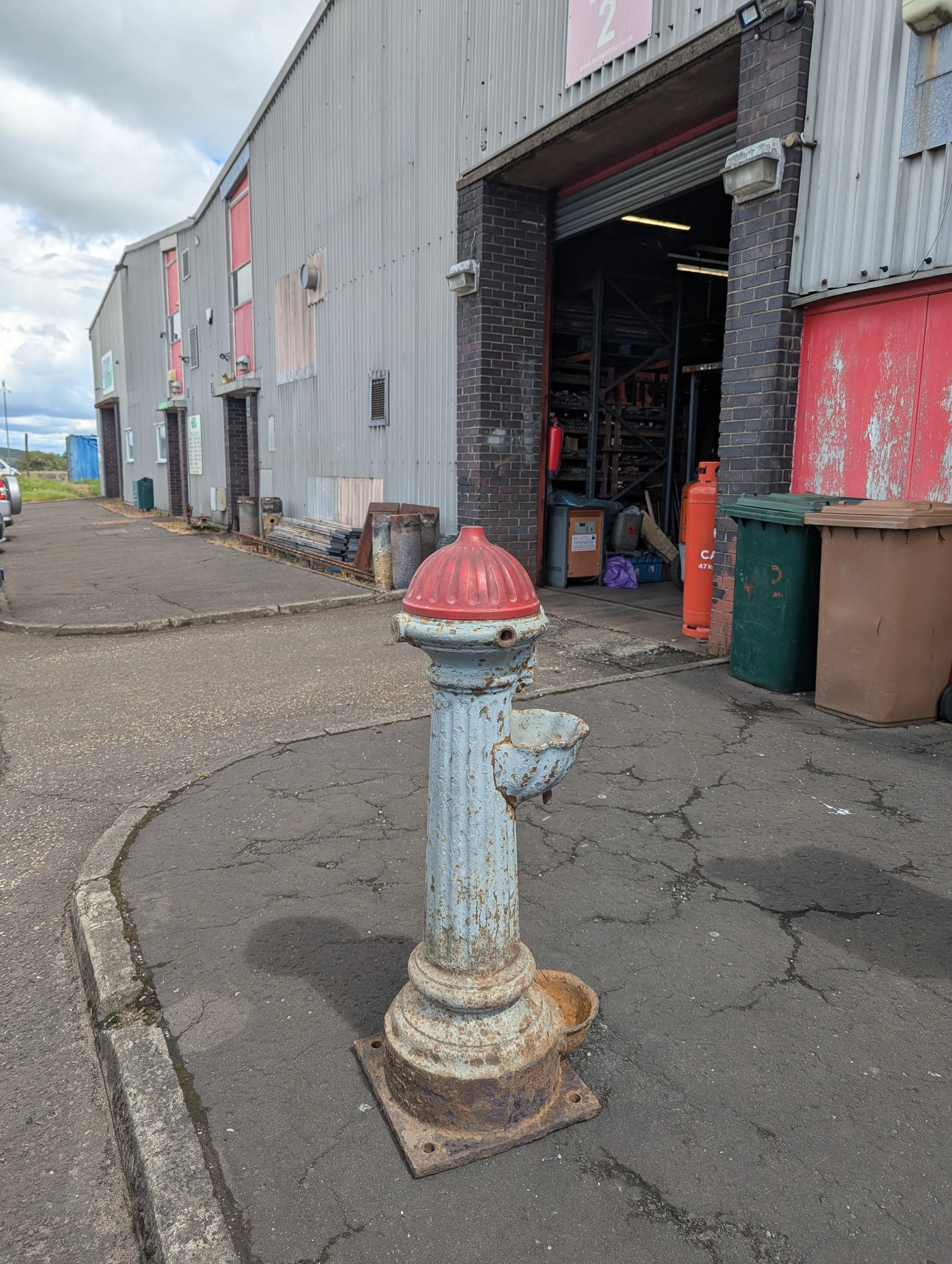
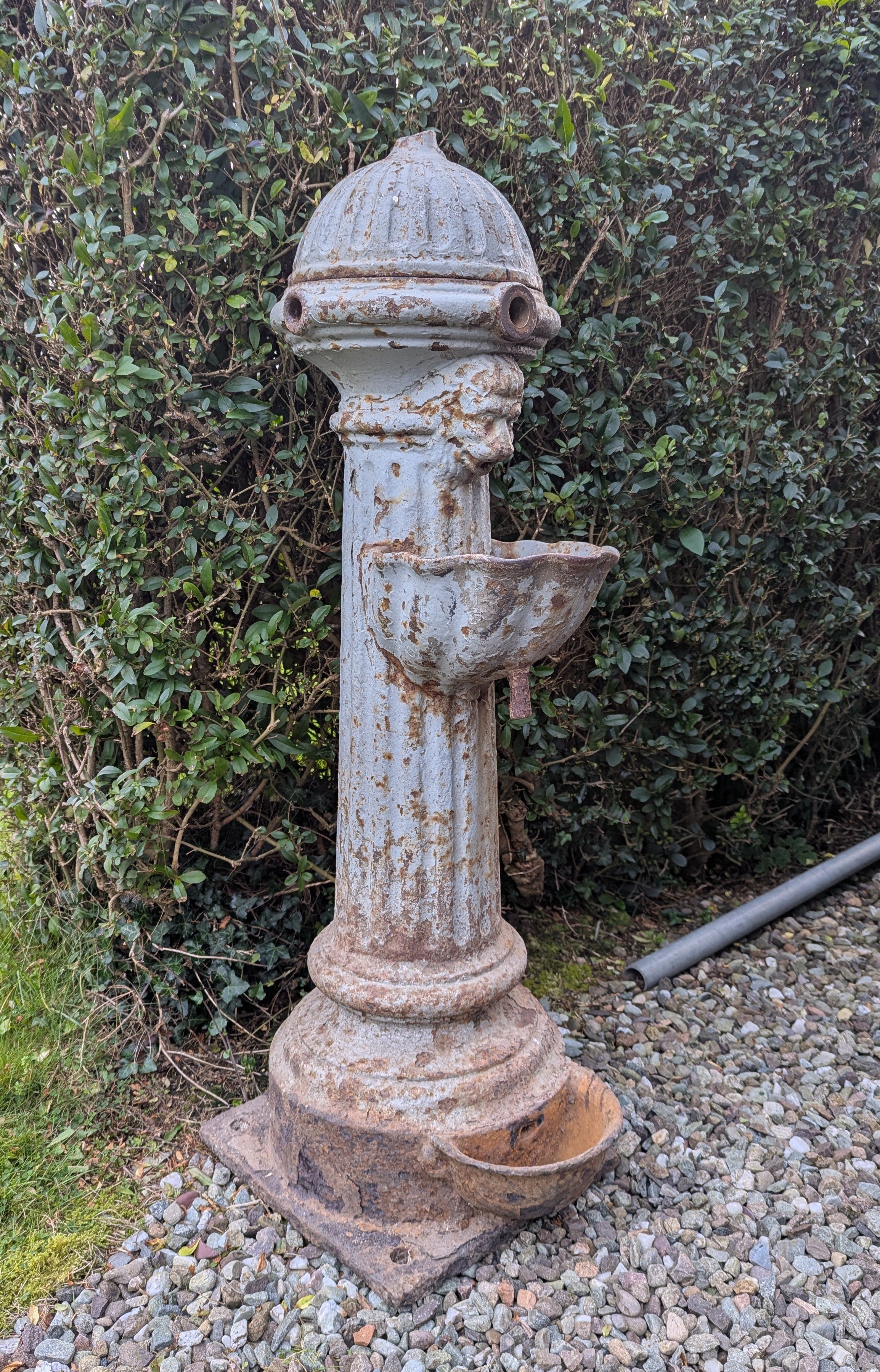
Source: Richard Reeve, Kilcreggan
Significance of Victorian Water Fountains from Near & Far:
Did you know that Victorian water fountains hold significant world-wide interest and represent a significant part of the Scottish Industrial heritage?
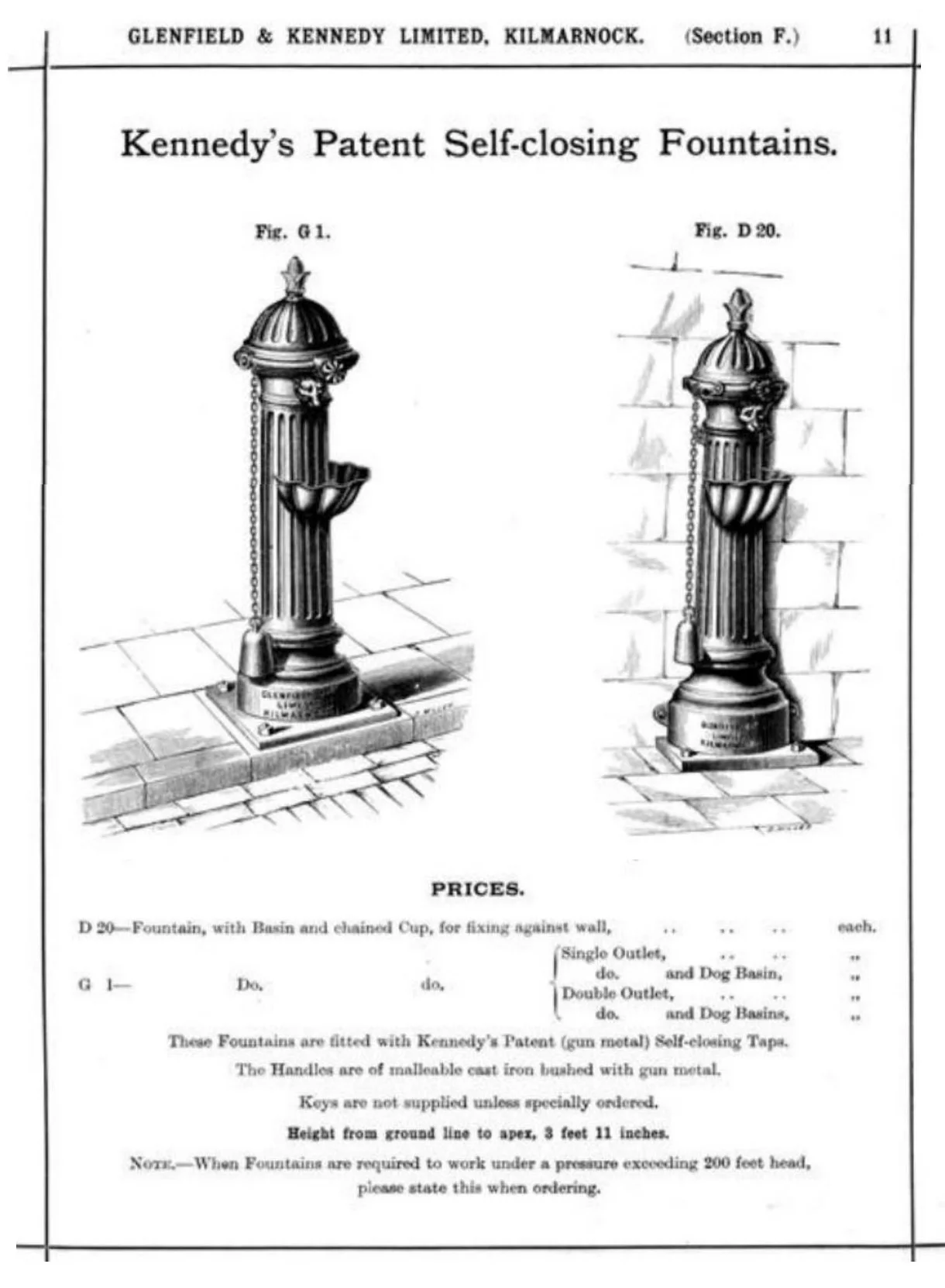
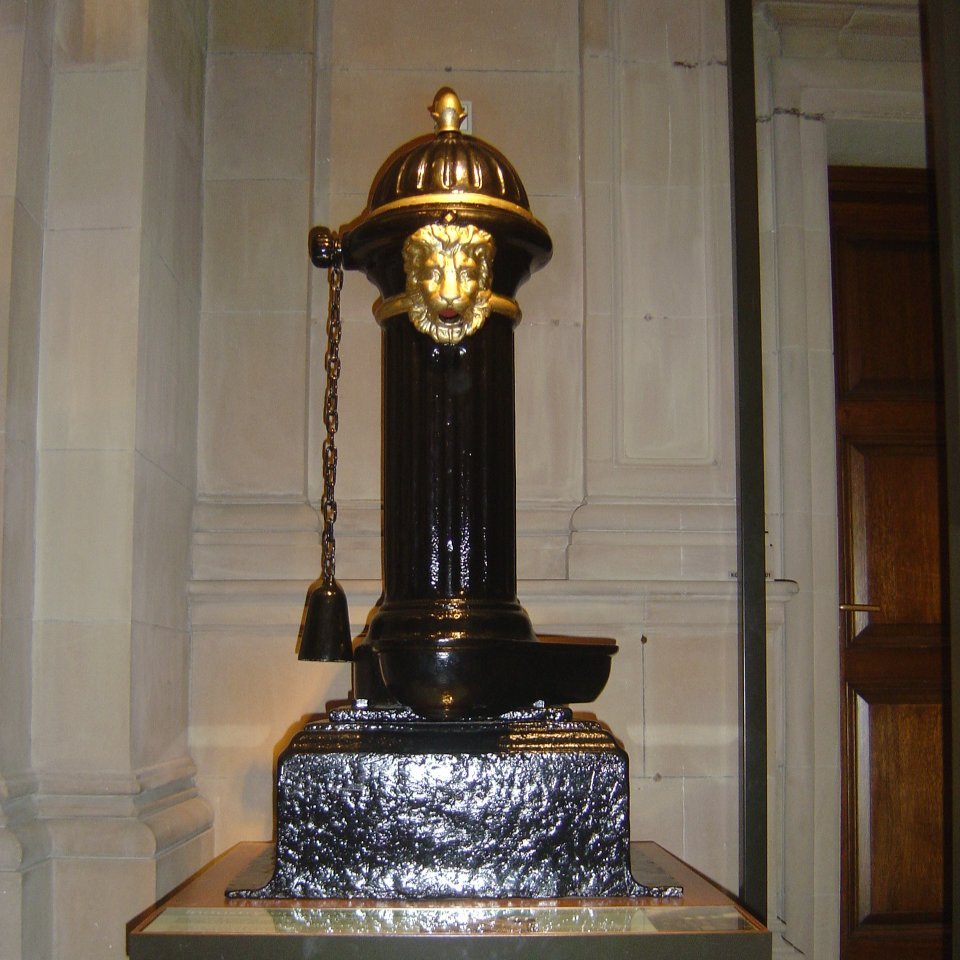
To view a similar drinking fountain to our own modest example, take a visit to Kelvingrove Museum and Art Gallery and seek out the exhibit shown in the third image below. Beautifully restored and on permanent display, the Victorian design was full of allegorical motifs. Here, the Mascaron lion by the tap frightens away evil spirits and the pineapple finial on the dome represents hospitality.
Our newly cast replacement dome and finial in Kilcreggan will include its pineapple. Several, more elaborate cast iron fountains stand in Glasgow's public places and one as a central display in The National Museum of Scotland, Edinburgh. So, in donating to our project you would be joining a worldwide interest in Scottish industrial heritage.
Richard’s continuing research into cast iron street furniture has led him into email exchanges with the curator of the Dockyard Museum at Stanley, Falkland Islands. On that small archipelago in the midst of the Southern Atlantic “at least five” drinking fountains are located in public areas or private gardens in and around Stanley. There is correspondence between the UK government and Glenfield and Kennedy dated 1947, now held in the Stanley archives, and although this does not include any evidence of purchase or transportation it currently represents the sum total of local knowledge of the fountains. (He thinks that theirs is the frost-free model to compensate for low winter night time temperatures). This post-war decade links with the Stanley’s George V playing fields which in turn links with our own playing fields on Fort Road.
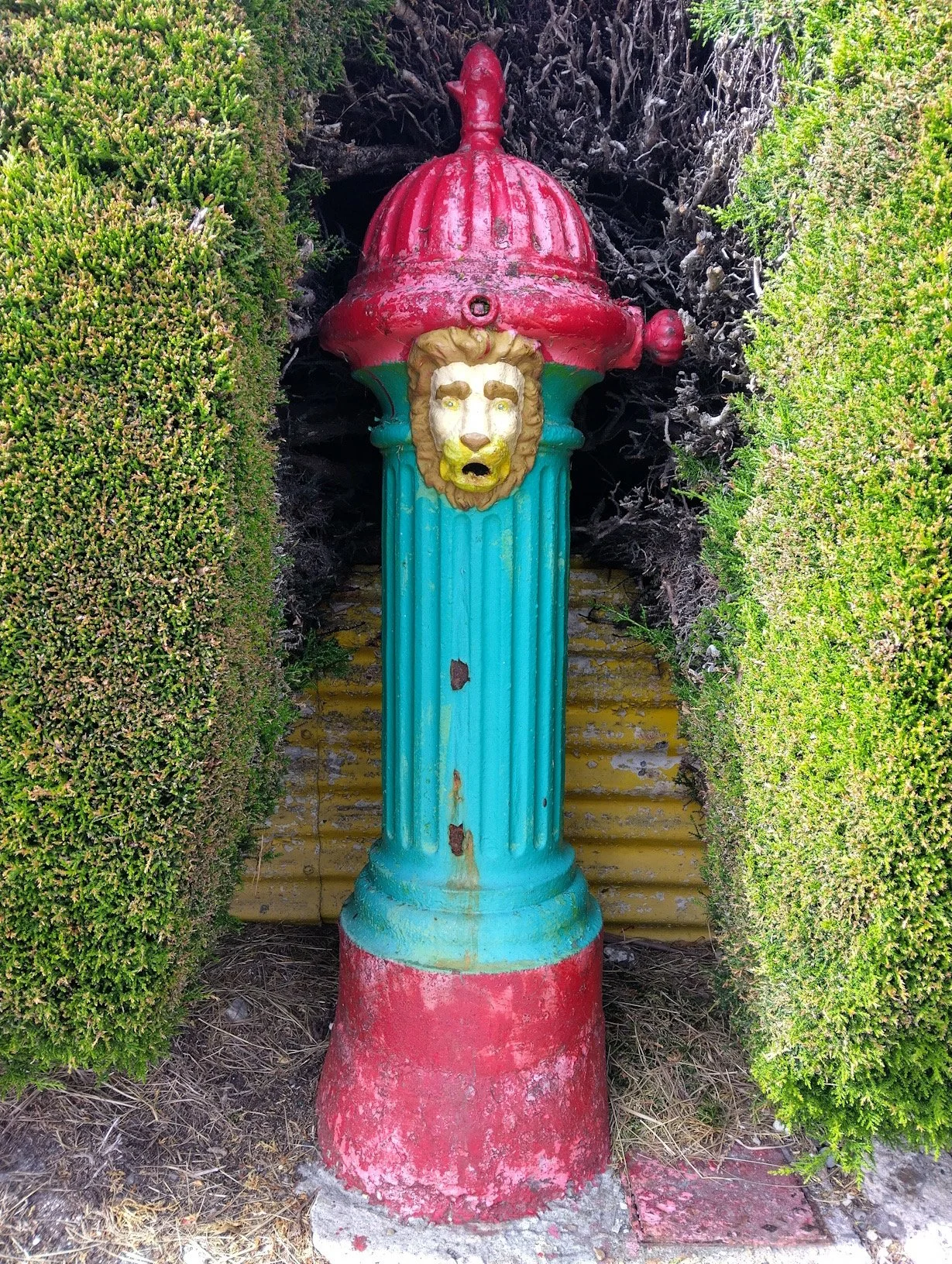
Source: James Cole, Stanley, Falkland Islands
It seems that Stanley also managed to retain most of its cast iron lamp posts which were installed at about the same time. Investigations continue but there is a possibility that they were cast at MacFarlane’s Saracen Foundry at Possilpark, Glasgow. Some have been lost due to corrosive salt borne on strong winds off the ocean.
Stanley also has five K6 phone kiosks identical to our own. The one near the port is now a busy photo opportunity for passengers off the regular cruise liners heading to and from Antarctica.
These items of cast iron street furniture have particular relevance to Falkland Islanders as they reinforce their links with the UK. As we know this is, at times, more than just a sentimental attachment when the harsh realities of international politics are at play.
Glenfield and Kennedy exported across the empire and commonwealth. So - our Kilcreggan drinking fountain, 1200mm high by 350mm diameter, has its place in the wider, international scheme of things and we can now look forward to it being given the prominence it deserves here where it first arrived in 1883.
We thank those of our readers who have donated so far. If you haven’t, please consider doing so. If you know someone who might be interested in how small artifacts and street furniture link far into historical time, please send this article and link to the gofundmecampaign. Lets have Kilcreggan play a vital historical role in Scottish Industrial History!